


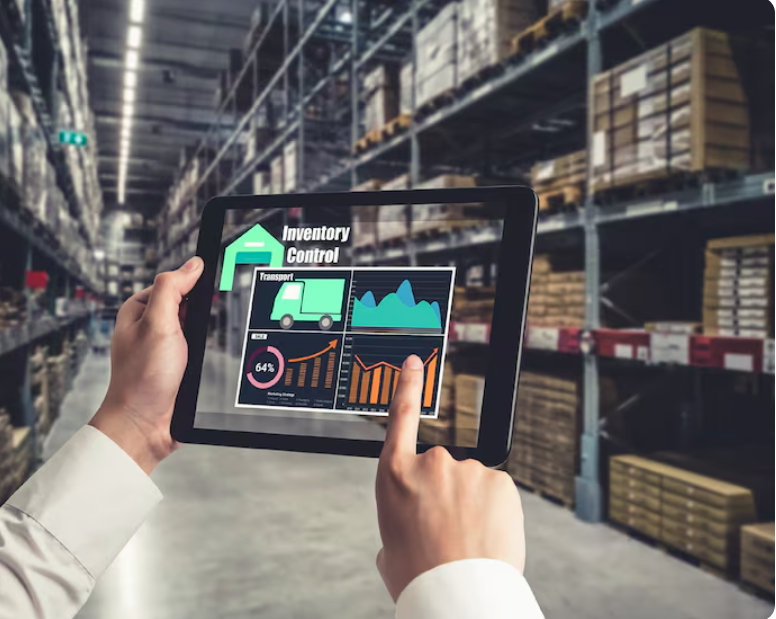
In the fast-paced world of global commerce, supply chains must operate with extreme efficiency, adaptability, and foresight. The key to achieving this lies in harnessing data science for real-time supply chain optimisation. Businesses that once relied on reactive decision-making are now adopting predictive and prescriptive analytics to ensure every link in the supply chain — from sourcing raw materials to last-mile delivery — operates like clockwork. If you’re aspiring to lead such a transformation, enrolling in a data scientist course can equip you with the necessary skills to analyse and optimise dynamic supply chain systems.
Understanding Real-Time Supply Chain Optimisation
Real-time supply chain optimisation refers to the continuous analysis and adjustment of supply chain activities based on live data—traditional supply chains operated with lagging information—batch-processed reports, spreadsheets, and manual updates. Today’s systems integrate real-time data from sensors, RFID tags, GPS trackers, IoT devices, and enterprise systems to offer instant visibility across inventory levels, transportation logistics, demand fluctuations, and supplier performance.
This level of responsiveness is essential in industries where customer expectations are high and product life cycles are short. Retailers, manufacturers, pharmaceutical firms, and logistics providers are using data science models to reduce costs, improve delivery timelines, minimise stockouts, and react swiftly to disruptions such as weather events or geopolitical changes.
The Role of Data Science in Supply Chain Optimisation
Data science empowers supply chain managers to transform complex datasets into actionable insights using techniques such as machine learning, statistical modelling, and artificial intelligence. Here’s how:
- Demand Forecasting
Data science enables more accurate demand predictions using historical data, real-time POS data, market trends, and even social media sentiment. Machine learning models like ARIMA, LSTM, and regression trees help forecast future demand at granular levels, allowing inventory planning and production schedules to be more precise.
- Inventory Optimisation
By analysing demand variability, lead times, and service levels, data science algorithms suggest optimal inventory levels at different points in the supply chain. Advanced techniques like probabilistic modelling and Monte Carlo simulations help maintain a balance between avoiding overstock and preventing stockouts.
- Logistics and Route Optimisation
GPS, traffic data, and weather information feed into real-time route optimisation models. Algorithms determine the fastest and most cost-effective routes, factoring in vehicle capacities, fuel costs, and delivery windows. This leads to reduced fuel consumption, lower emissions, and improved customer satisfaction.
- Supplier Performance Analysis
Data science tools monitor supplier reliability by evaluating on-time delivery rates, quality scores, and risk factors. Predictive analytics can also anticipate potential disruptions in the supplier network, allowing procurement teams to activate contingency plans in advance.
- Warehouse Automation and Robotics
Data-driven robotics and automation systems are transforming warehouses. Computer vision, real-time analytics, and predictive maintenance models increase warehouse throughput, minimise human errors, and optimise picking and packing sequences.
Real-Time Visibility and Control with IoT and Data Science
Integrating IoT sensors across the supply chain generates vast volumes of streaming data. Data scientists apply techniques like time-series analysis, real-time dashboards, and anomaly detection algorithms to monitor operations in real-time.
For instance, temperature sensors in refrigerated trucks allow companies to maintain cold chain compliance for perishable goods. If temperature thresholds are breached, alerts are sent immediately, triggering corrective actions. Similarly, vibration sensors can predict machinery failure in advance, enabling preemptive maintenance.
Midway through your learning journey in a data scientist course, you’ll explore practical applications like these—where data isn’t just stored but acted upon instantly.
Use Case: Optimising a Retail Supply Chain
Let’s consider a multinational retailer that sells electronics and home appliances across Asia. During seasonal sales, demand spikes unpredictably. Traditionally, they relied on spreadsheets and delayed sales reports, leading to overstock in some regions and stockouts in others.
By implementing a real-time supply chain system powered by data science, the retailer integrated its ERP, CRM, POS, and inventory systems with real-time customer data from e-commerce platforms. A demand forecasting model trained on historical and promotional data allowed them to predict sales down to the SKU level. Meanwhile, real-time dashboards helped supply chain managers monitor warehouse stock and redirect inventory dynamically.
As a result, the company reduced inventory holding costs by 18%, increased service levels by 25%, and improved overall operational efficiency. This transformation became a case study for how a Data Science Course in Chennai can prepare professionals for solving high-stakes business challenges.
Challenges in Real-Time Supply Chain Optimisation
While the benefits are compelling, implementing real-time supply chain optimisation poses several challenges:
- Data Integration: Combining data from legacy systems, cloud platforms, and third-party suppliers is complex.
- Scalability: Processing real-time data requires robust infrastructure and scalable cloud-based systems.
- Talent Gap: There is a shortage of professionals with both domain expertise and data science skills.
- Data Quality: Inaccurate or incomplete data can lead to misleading insights and suboptimal decisions.
- Cybersecurity: With increased data flow, securing sensitive operational and customer data becomes paramount.
Companies must invest not only in technology but also in upskilling their workforce. This is where academic programs and certifications play a vital role in building a data-literate supply chain workforce.
The Future Outlook
With technologies like 5G, edge computing, and AI on the rise, the capabilities of real-time supply chain systems will expand further. Autonomous vehicles, drone deliveries, and blockchain-based tracking will generate even more data that can be harnessed for improved decision-making. Data scientists will become central to shaping these agile, self-learning supply chains.
Professionals aiming to thrive in this evolving landscape need to understand both the science of data and the art of business operations. Enrolling in this course can provide a practical and immersive way to bridge this gap and unlock exciting career opportunities in logistics, retail, manufacturing, and beyond.
Conclusion
Real-time supply chain optimisation is no longer a luxury—it’s a competitive necessity. From forecasting demand to routing trucks and managing suppliers, data science offers powerful tools to build responsive, intelligent supply chains. As organisations increasingly prioritise digital transformation, skilled data scientists will be at the forefront of designing efficient, sustainable, and customer-centric supply chains. Whether you’re an operations manager, analyst, or IT professional, it can pave the way to mastering the technologies and strategies that are reshaping the supply chain industry. And for those based in Tamil Nadu, a comprehensive Data Science Course in Chennai offers the perfect launchpad into this future.
BUSINESS DETAILS:
NAME: ExcelR- Data Science, Data Analyst, Business Analyst Course Training Chennai
ADDRESS: 857, Poonamallee High Rd, Kilpauk, Chennai, Tamil Nadu 600010
Phone: 8591364838
Email- enquiry@excelr.com
WORKING HOURS: MON-SAT [10AM-7PM]
