


A garage floor often shows wear faster than many other parts of a home. Tires, oil drips, tools, dust, moisture, and heavy storage can leave bare concrete looking stained and uneven. Small cracks may also become more visible over time.
Improving the floor is not only about appearance. A properly finished surface can be easier to clean, more resistant to everyday use, and better suited to a garage that is used for parking, storage, hobbies, or home projects.
Start By Inspecting Existing Concrete
Before any coating is applied, the condition of the slab needs to be understood. Oil contamination, cracks, weak concrete, old paint, and moisture can all affect the final finish if they are not addressed first.
A careful inspection helps determine what preparation is needed. Some floors may only require cleaning and grinding, while others may need repairs, patching, or removal of an older coating before work can continue.
Preparation Makes The Difference
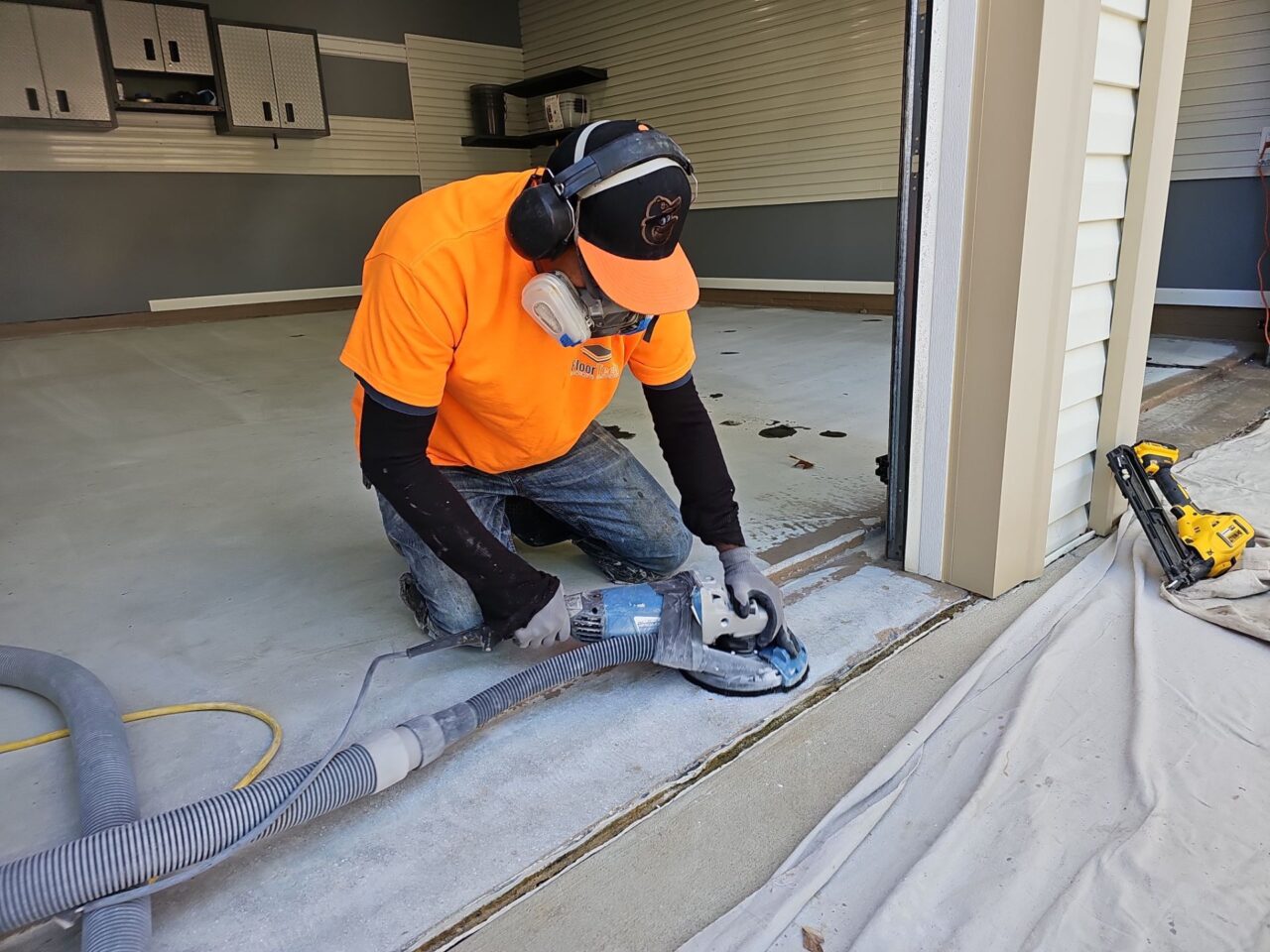
Good results depend heavily on surface preparation. Even a high-quality coating can fail if it is applied to dusty, smooth, or contaminated concrete without creating the right bond.
Mechanical grinding is often used to open the concrete surface and remove unwanted material. Cracks and damaged sections can then be repaired so the finished floor has a more stable and consistent base.
Coatings Improve Daily Usability
A quality garage floor coating can help protect concrete from stains, dirt, minor abrasion, and common garage spills. It also creates a more finished surface that is usually easier to sweep and maintain.
Homeowners can choose from different colors, textures, and decorative effects. A well-selected finish can make the garage feel cleaner and more organized without changing how the space is used.
Installation Skill Still Matters
Professional epoxy garage floor installers do more than spread material across concrete. They need to assess the slab, select compatible products, prepare the surface correctly, and apply each layer under suitable conditions.
Application timing, temperature, moisture, and mixing ratios can influence the outcome. Careful installation helps reduce problems such as peeling, uneven texture, bubbles, or weak adhesion after the floor returns to service.
Choose A Finish For Real Use
A garage used only for parking may have different needs from one that also functions as a workshop. Heavy tools, rolling cabinets, motorcycles, or frequent mechanical work can place more stress on the floor.
The finish should match these daily conditions. Decorative appearance is useful, but resistance to wear, cleaning requirements, and traction should remain central to the decision.
Think About Cleaning Early
Bare concrete can trap dust, oil, and dirt inside its porous surface. Once staining develops, keeping the garage looking clean can become difficult even with regular washing.
A properly finished surface can simplify routine care. Sweeping loose debris and cleaning spills promptly may be enough for everyday maintenance, depending on the coating system and the way the garage is used.
Consider Grip And Safety
Garages can become wet from rainwater, car washing, or damp tires. Smooth surfaces may become slippery when moisture is present, so texture should be considered before choosing the final finish.
Slip-resistant additives can be introduced into some coating systems. The ideal level depends on the garage because too much texture may make cleaning harder, while too little may reduce traction.
Plan Around Curing Time
The garage cannot always be used immediately after a coating is installed. Different systems need different amounts of time before they can handle foot traffic, storage items, or vehicles.
Planning around curing requirements helps protect the new surface during its early stages. Returning vehicles too soon can mark or damage a finish before it has developed the strength intended by the manufacturer.
Protect The Floor Long Term
A coated garage floor still benefits from sensible care. Heavy impacts, dragging sharp objects, and leaving aggressive chemicals on the surface for long periods can shorten the life of any finish.
Regular inspection can help identify small worn areas before they become larger problems. Good maintenance protects both the appearance of the garage and the investment made in upgrading the concrete.
Conclusion
Upgrading a worn garage floor is most successful when the project begins with proper inspection and preparation. The coating needs to match the condition of the concrete, daily garage activities, maintenance expectations, and desired appearance.
Homeowners considering a more durable and manageable garage surface can explore suitable solutions through khaysservices.com. A well-prepared floor and correctly selected finish can make the garage cleaner, stronger, and more practical for everyday use.